
Square Set, Shadowline & Cornice Ceilings, Sydney
Cove cornice with tight mitred corners, square set, or a crisp P50 shadowline. We install all three and will tell you which suits the room — even when it is the cheaper one.
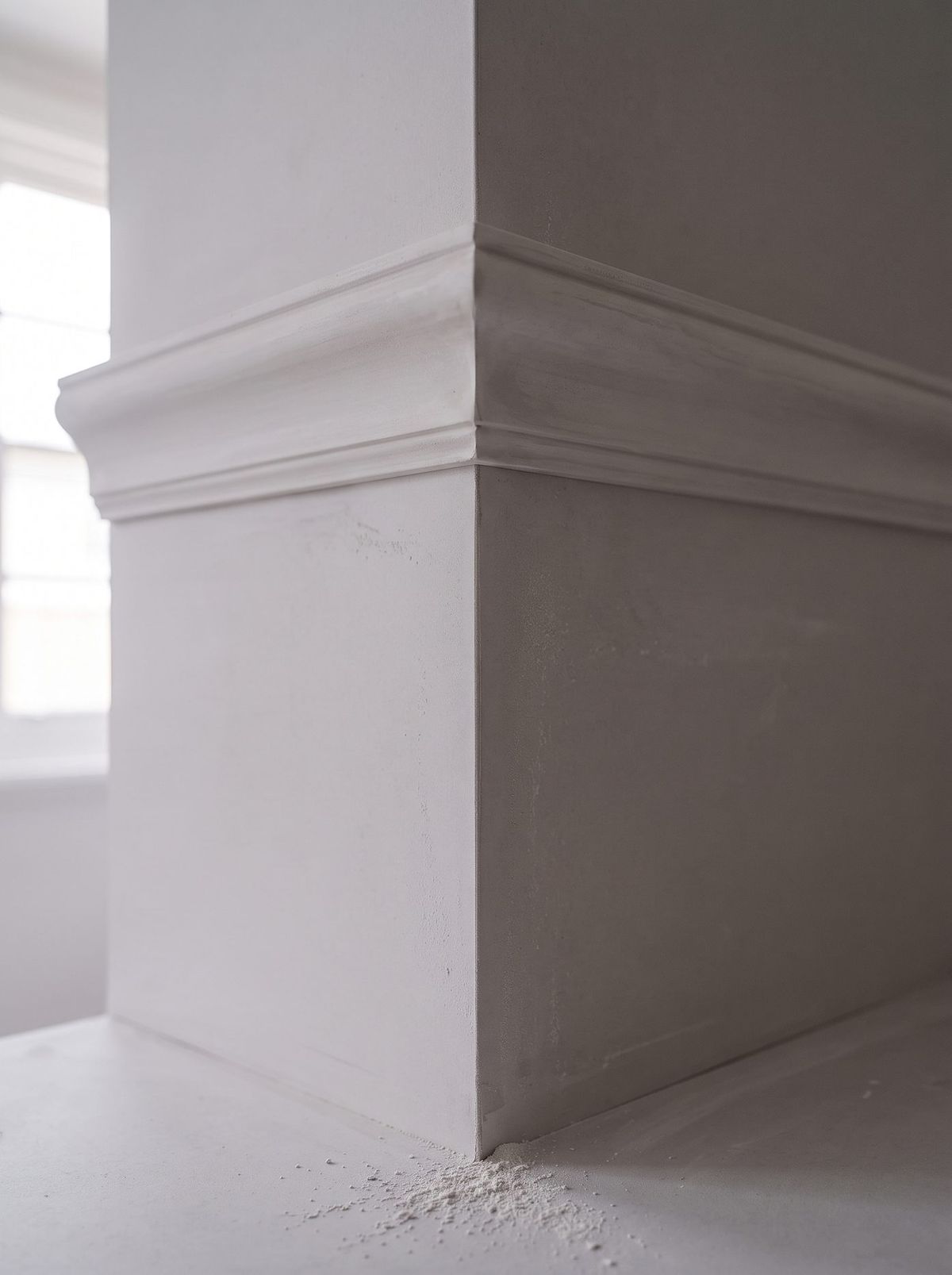
What Makes a Cornice Job Look Right
It is a small part of the job that people notice every day. Worth a conversation before you decide.
The right profile for the room
Ceiling height, room size and the age of the house all decide what looks balanced. A heavy profile in a low-ceilinged unit makes the room feel smaller, and a thin one in a period home looks mean.
Corners that actually meet
Internal and external mitres measured and cut on site. Rooms are rarely square, and corners are where a rushed cornice job announces itself.
Shadow line and square set
P50 shadow line gives a crisp recessed gap between wall and ceiling with no cornice at all. It is unforgiving of wavy walls, so the set-out and the setting have to be right.
Matching what is already there
Extending a room or repairing a section means matching the existing profile. Where an exact match no longer exists, we will show you the cleanest way to transition.
Square Set, Cove or Shadow Line?
Most people know which one they like the moment they see it, and have never heard what it is called. Send a photo of a corner and we will tell you the profile and whether we can match it.
Cove cornice
The traditional concave curve. It is in most Sydney homes built before 2000, and it is the forgiving option: the curve covers a wall and ceiling that do not quite meet. If you are matching existing rooms in a renovation, this is almost certainly what you already have. Commonly 75mm or 90mm depending on ceiling height.
Square set
No cornice at all. A sharp 90 degree angle straight into the ceiling. It is the modern look and it is the dearest of the three, for one reason: there is nothing to hide behind. The join has to be genuinely straight, because a square set that is not announces it from across the room.
P50 shadow line
A recessed shadow gap where wall meets ceiling, formed with a Rondo P50 stopping angle set into the junction. Crisp like square set, but the gap absorbs the small movements a house makes in its first few years instead of cracking through the join. In a new build it is usually the smarter of the two modern finishes, and we will say so even though square set costs you more.
Step cornice and profile matching
Stepped and geometric profiles for period and Art Deco homes, and matching into existing runs where a room is being extended or opened up. Where the original profile is no longer made we take a section, reverse-mould it and cast a match.
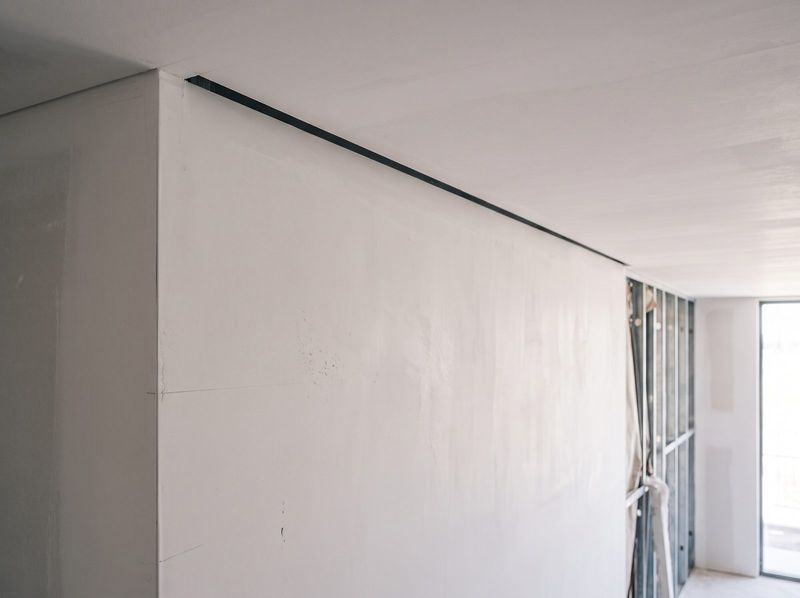
Shadow Line Looks Simple. It Isn't.
Shadow line has become the default in new builds and modern renovations, and for good reason — the recessed gap between wall and ceiling looks sharp and gets out of the way. But it is far less forgiving than cornice. Cornice hides a multitude of sins along the ceiling line; a shadow line puts a straight edge right next to your wall and dares it to be wavy. In an older house with settled ceilings, that can mean more preparation than people expect. We will look at the room and tell you honestly which finish is going to look better for the money.
- ✓Crisp modern finish
- ✓Needs flat, true walls
- ✓More prep in older homes
- ✓Cornice is more forgiving
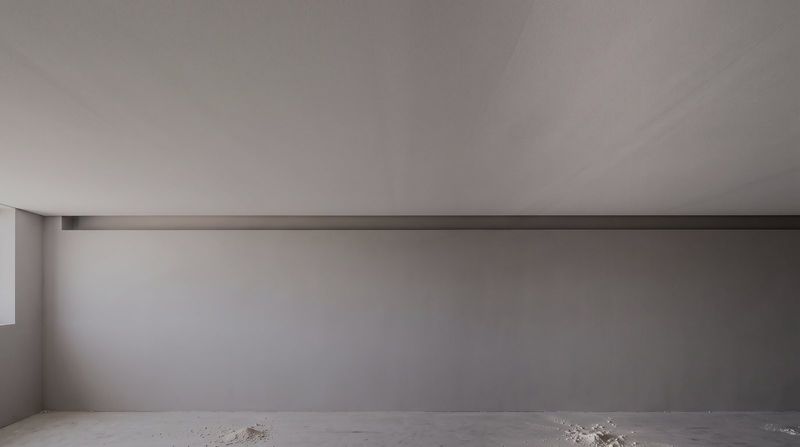
P50 Shadowline: The Spec, Not Just the Look
Every plastering site in Sydney says "shadow line". Almost none of them say what it actually is, which makes it hard to compare quotes.
A shadow line is formed with a stopping angle set into the wall and ceiling junction — most commonly the Rondo P50, which gives a 10mm recessed gap. The angle is fixed to the framing, the board is stopped into it, and the gap is left open. That gap is the whole point: it gives the junction somewhere to move. A house settles, timber shrinks, and a rigid square set junction transmits all of that straight into a crack along the ceiling line. A shadow line absorbs it.
What it demands in return is a straight wall. The recess puts a hard, unbroken shadow right next to your plasterboard and dares it to wave. In an older house with settled ceilings that usually means more preparation than people expect, and we will tell you at the quote rather than halfway through.
When you are comparing quotes, ask which angle is being used and what recess depth. If the answer is vague, that is worth knowing.
- ✓Rondo P50 stopping angle, 10mm recess
- ✓Set to a level line, not to a wavy ceiling
- ✓More forgiving of movement than square set
- ✓Needs flat, true walls — we assess before quoting
Measured, Cut, Fitted, Finished
Straightforward work, but entirely dependent on the set-out at the start.
Measure the room
Wall lengths, ceiling levels and corner counts, plus a look at how square the room actually is.
Choose the finish
We talk through cornice profiles or shadow line, and what each will look like at your ceiling height.
Cut and fit
Lengths cut accurately, corners mitred on site and everything fixed to a level line rather than following a wavy ceiling.
Join and finish
Joints filled, corners refined and the whole run sanded ready for the painter.
Cornice & Shadow Line Questions
What is P50 shadowline?
A P50 shadowline is a 10mm recessed gap where the wall meets the ceiling, formed with a Rondo P50 stopping angle instead of a cornice. It gives a crisp, modern line and absorbs the small movements a house makes better than square set. It is often mistaken for square set, which has no gap at all.
What is a square set ceiling?
Square set is a sharp 90 degree join between wall and ceiling with no cornice and no shadow gap. It is the modern look and the dearest of the three finishes, because there is nothing to hide behind: the wall and ceiling have to meet in a genuinely straight line.
Which should I choose — cornice or shadow line?
Shadow line suits modern renovations, flat ceilings and rooms with true walls. Cornice suits period homes, rooms with character, and any ceiling line that is not perfectly straight. In an older house cornice is often the more sensible choice, and usually the cheaper one once preparation is counted.
Can you match my existing cornice?
Usually. There are common profiles that are still readily available, and we can identify what you have. If it is an older profile that is no longer made, we will show you the closest match and the cleanest place to make the transition.
Do you install decorative or ornate cornice?
Yes. Heavier decorative profiles, period mouldings and ornate work are covered on our ornate and decorative ceilings page.
How long before new cornice can be painted?
The adhesive and jointing compound need to dry fully first. Timing depends on the profile, the weather and how much jointing there is, but we will tell you when the surface is ready rather than leaving you guessing.
Does the quote include painting?
No. We install, joint and prepare the surface ready for paint. Painting is a separate trade, though we are happy to coordinate timing with your painter.
What Clients Say About the Finish
Allan and his team were incredible! Great communication, lovely to deal with and got the job done very quickly and I was extremely pleased with the quality of work. Highly recommend!
Request a Cornice Quote
Which rooms, roughly what size, the ceiling height, and whether you are matching existing cornice or starting fresh.
- Visit us25A Basil Rd, Bexley NSW 2207
- Call us0415 225 412
- Email usinfo@sydneyplastermaster.com.au
- Opening hoursMon – Sat: 7:00 AM – 5:00 PM, Sun: Closed
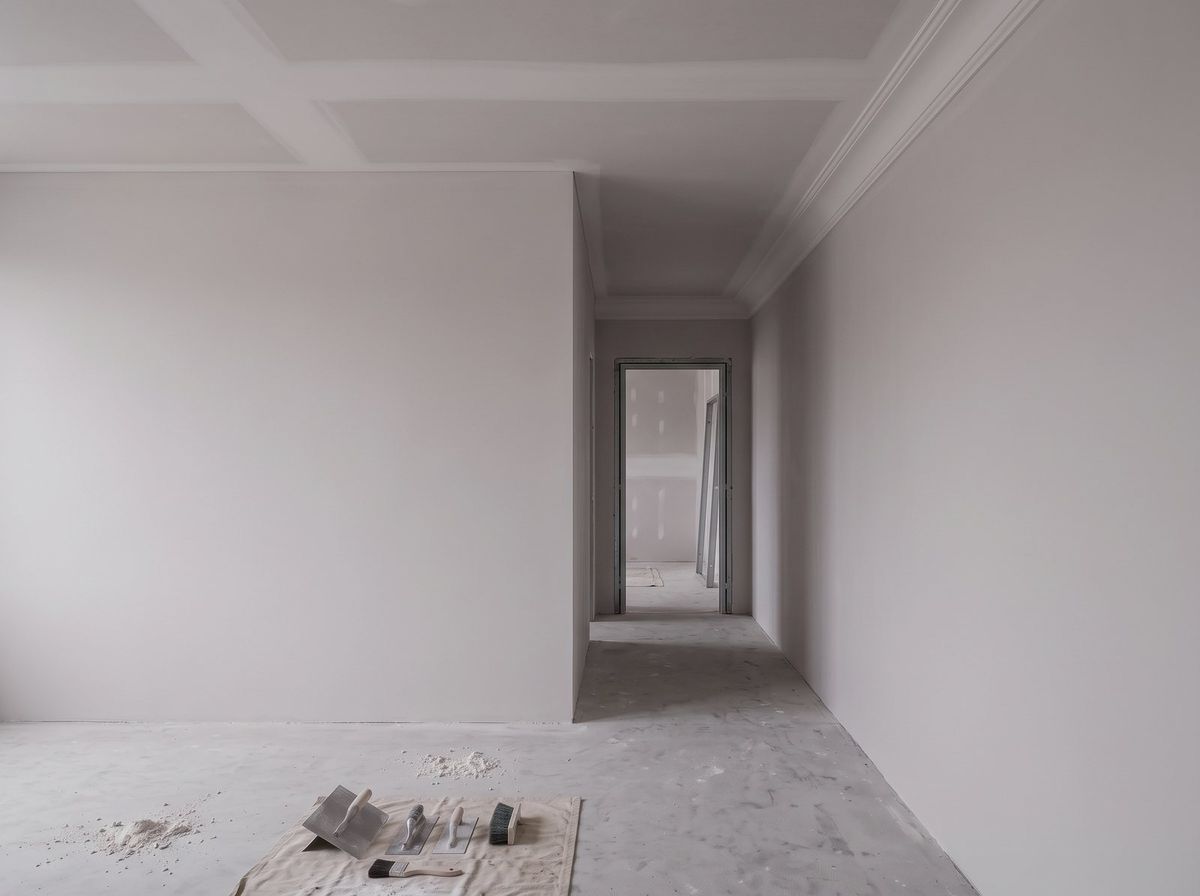
Finish Your Ceiling Properly
Tell us the rooms and the ceiling height and we will talk you through the options before quoting.